

Brake Pad Compounds Explained: Choosing The Right Pad For Your Tarox Or HiSpec Kit
The calipers get the photos and the discs get the arguments, but the pad is the only part of a brake kit that actually touches anything. Its compound decides how the car stops when everything is cold on a February morning, and how it stops six laps into a track evening when everything is very much not. Pick the compound for the wrong job and the best kit on the site will feel ordinary.
We sell pads two ways. Tarox kits arrive with the pad decision already made, Corsa compound fitted in the calipers. HiSpec kits arrive without pads on purpose, because HiSpec would sooner you picked the compound for the car than pay for one you will swap out. This page explains the windows each compound works in, what is on our shelves for each caliper, and what we would actually fit. If you are still deciding on the disc face to go with them, that guide is here.
- A compound is a temperature window: friction it gives when cold, friction it holds when hot
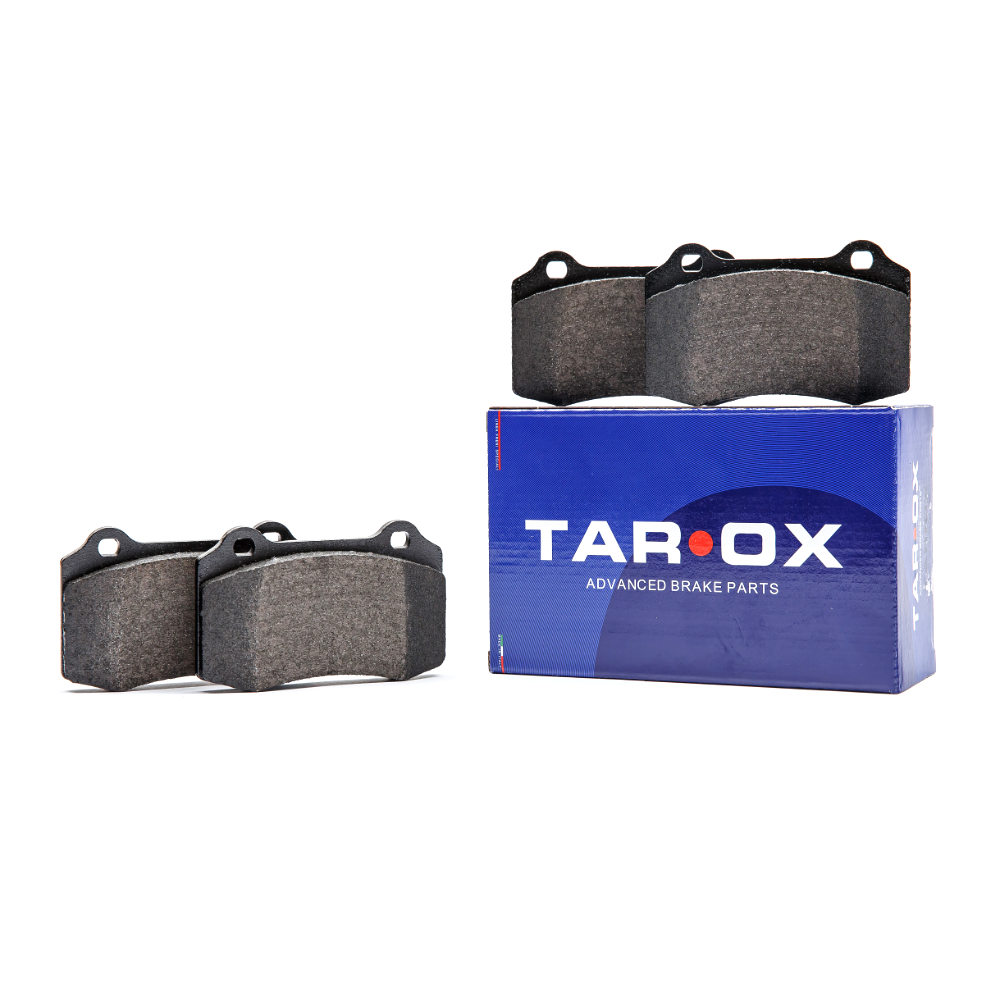
- Tarox kits ship with Corsa pads fitted, effective from cold and happiest between 200 and 600 degrees
- HiSpec kits are priced without pads, and we stock EBC, Ferodo and Mintex compounds for every caliper family
- Billet 4 pad sets run from £63.00 to £246.00 inc VAT depending on compound
Compounds are temperature windows
Every friction material has a range of temperatures where it grips hardest, and the whole compound question is deciding where that window should sit for your car. Put the window low and the car stops brilliantly on the road but the pad fades when a circuit gets it properly hot. Put the window high and the pad shrugs off track abuse but feels wooden on a cold commute. There is no compound that does everything, whatever the box says.
Road
Full bite from dead cold, quiet manners, dust that washes off. The window sits low because the hardest stop a road car makes is from motorway speed, once. A good fast road pad still holds on for the odd spirited drive.
Track day
The window moves up. The pad must still work when you leave the paddock cold, then keep its friction lap after lap as disc temperatures climb into territory a road car never visits. This is the crossover territory most of our customers live in.
Competition
The window sits high and stays there. Race compounds want heat before they grip properly and they punish cold discs and short journeys. Superb at what they are built for, wrong everywhere else.
The Tarox compounds
Tarox make three compounds, and the figures below are theirs. Every Tarox kit we sell arrives with the middle one, Corsa, already fitted in the calipers, which suits the kind of car that buys a Tarox kit: quick, driven hard, on and off circuits. If the car sits at either end of the scale, tell us when you order and we will sort the right compound with Tarox.
| Compound | Working window | Friction (cold / hot) | Built for |
|---|---|---|---|
| Strada | 150 to 350°C, tolerates 600°C | 0.37μ / 0.42μ | Fast road and everyday driving, works from cold |
| Corsa | 200 to 600°C, tolerates 650°C | 0.47μ / 0.49μ | Track days and fast road on powerful cars. Fitted in every kit |
| Enduro | 400 to 800°C, tolerates over 900°C | 0.47μ / 0.50μ | GT racing, touring cars, rally. Wants heat before it works |
Worth reading twice: Corsa carries nearly the same friction hot as Enduro does, but its window starts 200 degrees lower. That is why it comes in the box. Tarox also say it is not overly aggressive on discs, which matches what we see on kits coming back for refresh.
The HiSpec pad shelf
A HiSpec kit lands without pads, so this is the decision you make at order time, and the shelf covers three friction brands. The same compounds are stocked across the caliper families, Billet 4, Monster 4 and 6 and the rest, so the choice works the same whichever caliper you run. Prices below are the Billet 4 sets to give you the shape of it.
| Pad | The maker's pitch | Billet 4 set inc VAT | Our take |
|---|---|---|---|
| EBC fast road | Everyday friction for road use | £63.00 | The daily driver answer |
| EBC Redstuff | Low dust ceramic for quick road cars | £66.54 | Road pad for a car with real pace |
| EBC Yellowstuff | Fast road and track day crossover | £114.60 | First pad we suggest for occasional circuits |
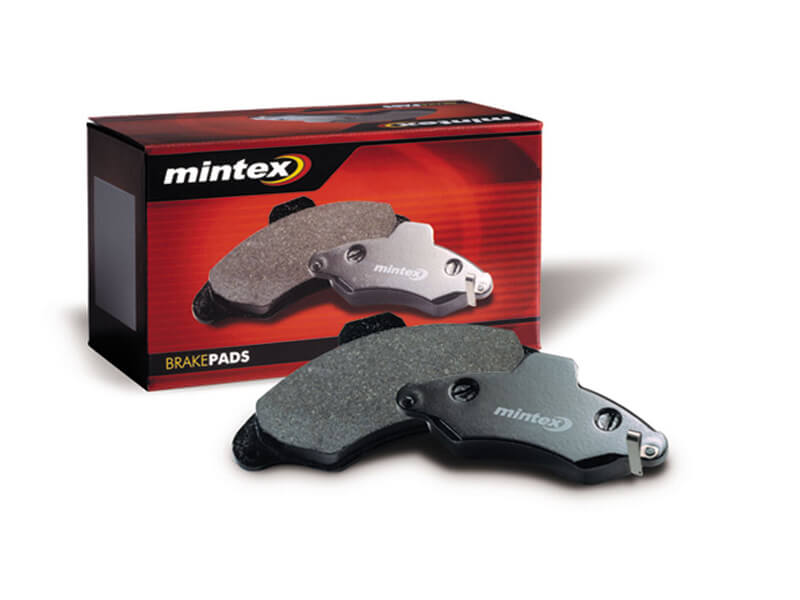
| Mintex 1144 | Fast road and entry track compound | £110.40 | Honest, hard wearing, good value |
| Mintex 1155 | Track biased step up | £136.10 | Regular track evenings |
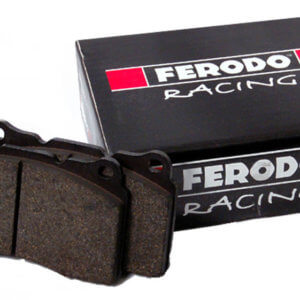
| Ferodo DS2500 | The club racing crossover pad | £246.00 | The one that does road and track properly |
| Mintex 1166 | Race compound, high temperature | £241.99 | Competition cars, wants heat |
| Ferodo DS3000 | Full race friction | £222.00 | Race use only, tell us the series |
Prices include VAT and were correct on 12 August 2026; Monster and Mega Monster sets differ because the pads are physically bigger. EBC Bluestuff also sits on the shelf for the Monster calipers if the DS2500 money is not there.
Matching the pad to the car
Garreth’s rule at the counter is to buy the pad for the hottest hour the car will ever have, then check you can live with it the rest of the time. A car that never sees a circuit has no business on a race compound: it will stop worse cold, wear the discs faster and coat the wheels for nothing. A car that does four track days a year on a fast road pad will cook it on day one and you will drive home on the smell.
In practice that lands most people in the middle. On the HiSpec side we point road cars at Redstuff, occasional track cars at Yellowstuff or 1144, and anything doing regular circuit work at the DS2500, which is the pad half the paddock runs for a reason. On the Tarox side the fitted Corsa already covers that middle ground, and the swap conversation only starts when the car is a pure daily or a pure race car.
Buying replacement pads
Replacement sets are listed per caliper family, so you buy the pad that fits your caliper and pick the compound inside that category. The Billet 4 shelf is below as a sample of the range; Monster 4, Monster 6 and the rest have their own categories with the same compounds. If you are not sure which caliper your kit runs, the invoice says, or send us a photo.

Common questions
Which pad comes fitted in a HiSpec kit?
None, by design. HiSpec price the kit bare so the compound gets chosen for the car instead of thrown in as an afterthought. When you order the kit, add the pad set for your caliper family at the same time, or ask and we will pick one with you before the build starts.
Which pad comes fitted in a Tarox kit?
Corsa compound, pre-installed in the calipers at the factory. Its window runs from 200 to 600 degrees and it works from cold, which suits most of the cars these kits go on. If your car is a gentle daily or a dedicated race build, tell us at order time and we will sort Strada or Enduro with Tarox instead.
Can I run a race pad on the road?
You can, and you will regret it. Compounds like the Mintex 1166, Ferodo DS3000 and Tarox Enduro want hundreds of degrees in them before they reach full grip, and a road car simply never gets them there. Cold stopping distances grow, discs wear faster, and the noise and dust are constant companions. If the car drives to the circuit, the crossover pads exist for exactly that job.
Should front and rear run the same compound?
Keep them matched or run the milder compound at the rear. The front axle does most of the work, so it takes the serious pad; putting the aggressive compound on the rear upsets the balance as things heat up. If you are running one of our rear kits too, tell us what the front wears and we will spec the pair.
How do I know when the pads are done?
Measure the friction material, and the maker's minimum thickness is on the box or a message away from us. On track cars, check before and after every event, because a compound at the end of its life fades earlier each session before it ever looks finished. Replacement sets for every caliper family we sell are on the shelf, so there is no lead time on pads.
What we would actually fit
On a road car with a HiSpec kit, EBC Redstuff and enjoy the clean wheels. Doing the odd track evening, Yellowstuff or the Mintex 1144, both honest pads that will not sulk on the drive home. Doing circuits regularly, find the Ferodo DS2500 money, because it is the last pad that still behaves as a road pad. And on a Tarox kit, drive it on the Corsa it came with; the factory got that one right. Race cars are a phone call, not a checkout.
Stuck between two compounds? Ring us on 0115 9893488 with the car, the kit and how many circuit days it really does a year. Garreth will give you a straight answer and it will usually be the cheaper of the two you were staring at.